 |
| Our plastic-free Flat Wrap Covers for Food are ideal for Thanksgiving. |

Showing posts with label eco-friendly. Show all posts
Showing posts with label eco-friendly. Show all posts
Friday, September 28, 2012
A Plastic-Free Food Wrap Set - for Free!
We're giving away a set of our Flat Wrap Covers for Food to one lucky person, if we can hit 5, 570 facebook fans this weekend! These new reusable food covers are amazing. Made of beeswax, tree resin and jojoba oil infused into a hemp/cotton fabric, they're a great plastic-free alternative for wrapping up cheese, bread, fruit, vegetables, bowls and platters. We're so excited about these food covers, we want to send a set – for free – to someone who likes them too! (Or at least likes our post about them on Facebook.) We'll do this Monday as long as a few more people 'like' our Lavish & Lime Facebook page between now and then. What would you wrap in a set of new food covers? Check out the Facebook post now – and share, share, share! If you've liked the post, feel free to tell us in a comment below.


Sunday, September 23, 2012
Keeping Cheese Fresh: Plastic-Free Cheese Storage
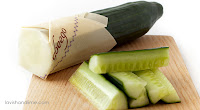
We love cheese. Besides the ridiculously high prices we pay for it here in Canada, the only other thing that can potentially affect the moment when a wave of rich creamy brie rolls over our taste buds is when we think about how to store the remainder of the round – until now. A plastic container? Ziploc bag? Plastic wrap? Foil? They've all come up wanting in one way or another for keeping cheese fresh. Not so with our newest eco find: Abeego Flat Wrap Covers for Food. This innovative food storage idea ticks all the boxes - and not just for cheese. Wrapping up fruit, bread, vegetables, dishes and more has never been easier, or healthier. Made of beeswax, tree resin and jojoba oil infused in a fabric of hemp and cotton, these all natural food storage wraps do not leach chemicals into your food, on contact or otherwise. With the heat from your hands and a little pressure, they mold to cover any food or dish you want to store plus they're fluid resistant and breathable so they keep food fresh. Compostable and easy to clean, they'll last well over a year with cold water washing and eco-friendly dish soap. Another big plus? Abeego flat wraps are made by hand, in Canada. No more bits of nasty-smelling, moldy cheese within what often seems like mere hours of putting your cheesy leftovers in the fridge - just tasty remnants to enjoy another day.


 |
| Abeego flat wrap covers for food are a plastic-free way for keeping cheese fresh. |


Monday, September 17, 2012
5 Eco-Friendly Travel Tips for Off-Season Whistler, BC
Whistler, BC may have established itself as a world class ski destination during the 2010 Winter Olympics, but it's still a great place to visit during the off-season. A two-night stay over Labour Day Weekend provided a relaxing last kick at the summer can before the school rush began. Always open to green ideas, we discovered a few ways to make a short stay in the village as eco as possible.
Here are five eco-friendly travel tips to help keep Whistler, BC as beautiful as Mother Nature intended.
1. Park your car and leave it parked. Whistler village offers everything you need for an enjoyable weekend stay, from restaurants and shops to grocery stores, spas, cinemas and playgrounds. The great thing is they're all within walking distance of the major hotels, resorts, condo complexes and other accommodations.
2. Bike it. To go further afar, travel sustainably by bike. If you don't bring your own, there are loads of bike rental outlets located in the village. The gorgeous walking/jogging/biking/rollerblading - friendly networked Valley Trail links 40km of paved pathways from the village to picturesque lakes and parks. For the more adventurous, there's the Whistler Bike Park with trails to suit a variety of tastes and abilities.
3. BYOB. Be sure to bring your own bottle. Cut down on landfill waste and carry your own reusable water bottles. Of course you can buy filled plastic water bottles at the hotels and stores to keep you hydrated when you're walking, hiking or biking but use your own bottle and not only will you be guaranteed a non-leaching, BPA-free drink but you'll be able to enjoy some safe, clean and great tasting Whistler water.
4. Enjoy local events. From the busy Whistler Farmers Market in the Upper Village where you'll find an endless assortment locally-produced fresh, organic goodies to runs, races, sales and fundraising dinners, check out the schedule of local Whistler events. Many of these support local farmers, artisans, environmental or animal-focused organizations.
5. Take out what you pack in. Whether you go on a hike up the mountain or take lunch to the lakeside, the golden eco rule - take your garbage with you - applies here, especially with the co-existence of bears in and around the village. Bear-proof garbage bins are generally available at the more popular venues and bear safety is always something to keep in mind while at Whistler, as well as the environment. Reusable food and snack containers are a smart option to throw in your suitcase, just in case.
 |
| Picturesque Whistler village is a pedestrian haven. |
1. Park your car and leave it parked. Whistler village offers everything you need for an enjoyable weekend stay, from restaurants and shops to grocery stores, spas, cinemas and playgrounds. The great thing is they're all within walking distance of the major hotels, resorts, condo complexes and other accommodations.
2. Bike it. To go further afar, travel sustainably by bike. If you don't bring your own, there are loads of bike rental outlets located in the village. The gorgeous walking/jogging/biking/rollerblading - friendly networked Valley Trail links 40km of paved pathways from the village to picturesque lakes and parks. For the more adventurous, there's the Whistler Bike Park with trails to suit a variety of tastes and abilities.
3. BYOB. Be sure to bring your own bottle. Cut down on landfill waste and carry your own reusable water bottles. Of course you can buy filled plastic water bottles at the hotels and stores to keep you hydrated when you're walking, hiking or biking but use your own bottle and not only will you be guaranteed a non-leaching, BPA-free drink but you'll be able to enjoy some safe, clean and great tasting Whistler water.
4. Enjoy local events. From the busy Whistler Farmers Market in the Upper Village where you'll find an endless assortment locally-produced fresh, organic goodies to runs, races, sales and fundraising dinners, check out the schedule of local Whistler events. Many of these support local farmers, artisans, environmental or animal-focused organizations.
5. Take out what you pack in. Whether you go on a hike up the mountain or take lunch to the lakeside, the golden eco rule - take your garbage with you - applies here, especially with the co-existence of bears in and around the village. Bear-proof garbage bins are generally available at the more popular venues and bear safety is always something to keep in mind while at Whistler, as well as the environment. Reusable food and snack containers are a smart option to throw in your suitcase, just in case.
Sunday, September 16, 2012
A Guide to Natural House Cleaning
While many of your average cleaning products may describe themselves as “green” that may not always be the case. Many manufacturers are jumping on the bandwagon and there are no set guidelines as to what constitutes a “green” product. Below are some handy hints on things to look out for.
Did you know, the human body can absorb chemicals left behind by household products or that on average there are more than 150 toxic substances linked to cancer that float around our homes? The decision to stop using synthetic chemical cleaners and instead use natural house cleaners may be one of the most important ones you will ever make for the health of your family and home. Extra chemical ingredients such as fragrances and dyes contribute nothing to a products cleaning ability and only add to chemical contamination around your home, children, pets and food.
A great alternative to the common chemical cleaners is making your own cleaning products instead. Effective cleaning products can be made from items commonly found around the home – why not try these easy natural household cleaners recipes?
Glass Cleaner Recipe
Mix 1/4 cup vinegar or 1 tablespoon lemon juice with 1 liter warm water for sparkling windows or glass tables.
Furniture Polish
Mix two parts olive oil or cooking oil together with one part lemon juice for an effective and incredibly fresh-smelling furniture polish.
Drain Cleaner
Pour 3/4-1 cup of baking soda in the drain. Pour 1/2 cup vinegar in the drain and immediately cover the drain with a plug or set a plate over it to keep everything inside the drain. Leave it to sit and work for about 30 minutes. Don’t use the sink during this time. After 30 minutes, remove the cover and let hot water run through the pipes for about 2-3 minutes.
Microwave Cleaner
Put lemon slices in a bowl of water and heat in your microwave for 30 seconds to a minute then wipe out the microwave. Stains will be easier to remove and any old food odours will be neutralized.
Cookie Sheet Cleaner
Try useing tee tree oil mixed with dish soap to shine your pans!
Guest post by: AspenClean with additional natural household cleaners recipes contributed by Lavish & Lime. AspenClean are the only EcoCert certified natural household cleaners in Canada.
 |
| Natural household cleaners are safe alternatives to traditional chemical cleaners. |
- Be informed. Make sure that all ingredients are listed and avoid products with only partial listings.
- Look out for “Poison”, “Warning” or “Danger” labels and avoid, avoid, avoid!
- Make sure your product is “readily biodegradable” rather than just “biodegradable” which means it could take several lifetimes to break down.
- Ingredients ending in “-ene” or “-ol” indicate the presence of a petroleum based solvent (eg: benzene and xylol) that could cause illness.
- Are there any warnings that the product can cause skin irritation or should be used in a well-ventilated area? Give any products with these statements a miss!
Did you know, the human body can absorb chemicals left behind by household products or that on average there are more than 150 toxic substances linked to cancer that float around our homes? The decision to stop using synthetic chemical cleaners and instead use natural house cleaners may be one of the most important ones you will ever make for the health of your family and home. Extra chemical ingredients such as fragrances and dyes contribute nothing to a products cleaning ability and only add to chemical contamination around your home, children, pets and food.
A great alternative to the common chemical cleaners is making your own cleaning products instead. Effective cleaning products can be made from items commonly found around the home – why not try these easy natural household cleaners recipes?
Glass Cleaner Recipe
Mix 1/4 cup vinegar or 1 tablespoon lemon juice with 1 liter warm water for sparkling windows or glass tables.
Furniture Polish
Mix two parts olive oil or cooking oil together with one part lemon juice for an effective and incredibly fresh-smelling furniture polish.
Drain Cleaner
Pour 3/4-1 cup of baking soda in the drain. Pour 1/2 cup vinegar in the drain and immediately cover the drain with a plug or set a plate over it to keep everything inside the drain. Leave it to sit and work for about 30 minutes. Don’t use the sink during this time. After 30 minutes, remove the cover and let hot water run through the pipes for about 2-3 minutes.
Microwave Cleaner
Put lemon slices in a bowl of water and heat in your microwave for 30 seconds to a minute then wipe out the microwave. Stains will be easier to remove and any old food odours will be neutralized.
Cookie Sheet Cleaner
Try useing tee tree oil mixed with dish soap to shine your pans!
Guest post by: AspenClean with additional natural household cleaners recipes contributed by Lavish & Lime. AspenClean are the only EcoCert certified natural household cleaners in Canada.
Monday, July 2, 2012
New from Envirosax Bags: Sesame Street Faves
Who doesn't like Sesame Street? From Oscar the Grouch to Cookie Monster and now fairy-in-training Abby, favourite kids show Sesame Street has something for everyone – even adults. The latest reusable shopping bags from Envirosax featuring favourite Sesame Street characters are perfect for anyone who wants to take a retro eco walk down memory lane. The bright colours and cartoon-like graphics combined with the practical benefits of these handy Envirosax bags: lightweight, water resistant, holds 44 lbs., no toxic chemicals, reinforced seams, folds down to the size of a piece of sushi, make Sesame Street a hit with adults too! Ideal for shopping, our funky Sesame Street Envirosax bags are good for carrying pretty much anything from sports gear to books to picnics and more. For an economical option, check out our Envirosax Sesame Street 5-pack pouch.


Thursday, April 5, 2012
5 Ways to Clean with Lemons
Naturally at Lavish & Lime we have limes on our minds, but when we do think lemons, we think cooking or lemonade - especially at this time of year. Yet, there's so much more we can do with lemons than simply eat them, especially when it comes to cleaning. Here are five handy tips for using lemons around the house instead of potentially toxic and smelly chemical cleaning products. For more natural cleaning ideas, click here.
 Lemon slices in a bowl of water leave your microwave spic & span.
1. Fridge
Store half a lemon in your fridge to help control and eliminate unpleasant smells.
2. Garden
Pour lemon juice around areas frequented by ants to repel them.
3. Fresher Air
Mix equal amounts of lemon juice and water in a spray bottle and use as an air freshener for a chemical-free air freshener for your home.
4. Furniture Polish
Mix two parts olive oil or cooking oil together with one part lemon juice for an effective and incredibly fresh-smelling furniture polish.
5. Microwave
Put lemon slices in a bowl of water and heat in your microwave for 30 seconds to a minute then wipe out the microwave. Stains will be easier to remove and any old food odours will be neutralized.
 Lemon slices in a bowl of water leave your microwave spic & span.
Store half a lemon in your fridge to help control and eliminate unpleasant smells.
2. Garden
Pour lemon juice around areas frequented by ants to repel them.
3. Fresher Air
Mix equal amounts of lemon juice and water in a spray bottle and use as an air freshener for a chemical-free air freshener for your home.
4. Furniture Polish
Mix two parts olive oil or cooking oil together with one part lemon juice for an effective and incredibly fresh-smelling furniture polish.
5. Microwave
Put lemon slices in a bowl of water and heat in your microwave for 30 seconds to a minute then wipe out the microwave. Stains will be easier to remove and any old food odours will be neutralized.
Thursday, December 9, 2010
Win an Eco Kids Craft Kit of your Choice
We love Christmas gifts but one thing we dread is all the packaging - especially the packaging on gifts for kids. That's why we got really excited when we came across our new line of US-made eco-friendly craft kits for kids.
The focus is on top quality, eco-friendly crafting materials - not extravagant packaging. In fact, these kids craft kits come in a simple, reusable ziplock plastic bag. It's the contents of the bag that will take any crafty kid's breath away. Gorgeous glass beads, super soft felt doll cutouts and jewellery pieces, handmade paper and more!
Choose from six different kids craft kits:
Leave a comment below telling us which eco-friendly kids craft kit you'd like, why and you might just win it! Please include your email address so we can contact you if you win. Draw will be on December 15th so we can ship the prize in time for Christmas.
Extra entries: join us on our Facebook page and to tell us below for two extra extries.
Good luck!
All of the eco-friendly kids craft kits above are available at Lavish & Lime. For more greener living ideas, please come by and browse our eco boutique at www.lavishandlime.com.

The focus is on top quality, eco-friendly crafting materials - not extravagant packaging. In fact, these kids craft kits come in a simple, reusable ziplock plastic bag. It's the contents of the bag that will take any crafty kid's breath away. Gorgeous glass beads, super soft felt doll cutouts and jewellery pieces, handmade paper and more!
Choose from six different kids craft kits:
- doll making

- felt jewellery
- book making
- wire & bead art
- bubble wand making
- creativity kit with a little of everything and lots of idea suggestions.

Leave a comment below telling us which eco-friendly kids craft kit you'd like, why and you
 might just win it! Please include your email address so we can contact you if you win. Draw will be on December 15th so we can ship the prize in time for Christmas.
Extra entries: join us on our Facebook page and to tell us below for two extra extries.
Good luck!
All of the eco-friendly kids craft kits above are available at Lavish & Lime. For more greener living ideas, please come by and browse our eco boutique at www.lavishandlime.com.
Sunday, December 5, 2010
How to Wrap a Gift with Reusable Fabric Gift Wrap
Tired of watching wrapping paper being ripped from your presents and thrown in the trash, knowing you're responsible for adding to the landfill? Now you can wrap your presents in gorgeous planet-friendly reusable fabric gift wrap that you know will be used again and again... and yet again.
Our Canadian-designed 100% cotton reusable gift wrap comes in four bright and colourful designs that are dye printed and soak through to the back side of the fabric. These 27" x 27" earth-friendly gift wrapping sheets are lightweight enough to twist and tie knots easily, yet opague enough to conceal the gift inside. No scissors or tape required.
The design of our reusable gift wrapping is inspired by furoshiki, a type of traditional Japanese wrapping cloth frequently used to transport clothes, gifts, or other goods. While it originated in the Edo period as a means of carrying clothes to the public baths, furoshiki are currently most commonly used to wrap and transport lunch boxes (bento) and often double as a table mat for the lunch.
 There are many different ways to wrap a gift with reusable fabric gift wrap - and you can wrap everything from bottles to flowers and any number of different boxes in between. View the five videos below for some how-to instruction and ideas, then enjoy experimenting and figuring out some of your own ways!
For more how-to instruction, have a look at these diagrams.
 Reusable fabric gift wrap is available in Canada at Lavish & Lime. Visit our online boutique Lavish & Lime for more greener living ideas, including hundreds of unusual gifts. If you have any thoughts or ideas about reusable gift wrapping or furoshiki, please leave a comment below. We'd love to hear from you!
Friday, December 3, 2010
Electric Eel Powers Christmas Tree at Vancouver Aquarium
Alternative energy is taken to electrifying heights as eel power lights up a Christmas tree at the Vancouver Aquarium. Visitors to the Aquarium over the holiday season are set to get shocked by a unique and eco-friendly source of power - energy harnessed from an electric eel.

Located in the Canaccord area of the Aquarium, near the Jellyfish Tank, the tree sparkles with lights that the Aquarium's electric eel helps light through electricity generated when it feeds.
Some fishes, such as the electric eel, live in dark and murky waters, so they generate electric fields to be able to see what is around them. Electric eels have electric organs made up of modified muscle or nerve cells that are specialized for producing electric fields and strong currents. Since its head has a positive charge and its tail negative, this polarity gives it an electrical field which it uses to find prey and navigate around objects. When these electric eels produce electricity into the water, especially when they feed, the electrodes in this exhibit pick up the electrical discharges to help light the Christmas tree.
Visit the Vancouver Aquarium this holiday season and give the kids an electrifying experience!
More more eco-friendly ideas about living life a little greener, visit Vancouver-based eco boutique Lavish & Lime where you'll find hundreds of everyday eco finds and unusual gifts that will wow.
Thanks to our Facebook fan Jennifer for tipping us off about this great local, eco-friendly story!
Tuesday, August 17, 2010
Top Green Living Eco-Tip for Summer 2010
We sifted through all the great entries we received over the past month or so in our Eco-Tip Giveaway, chose 10 finalists (it wasn't easy) and after taking a vote on our Lavish & Lime Facebook page, the top eco-tip for the summer was chosen.
It came from Alanna Teed and here is the winning eco-tip as chosen by our Lavish & Lime Facebook fans.
"I hang a bucket on the shower handle. When we take showers it fills up and I water the plants with it."
Alanna won a 5-pack Envirosax pouch of designer reusable shopping bags and runners up Dawn-Marie and Melerie won bags too. They each received 15 votes for their great tips.
Dawn-Marie's Eco-Tip: "Instead of using SOS pads and things with chemicals in it...when trying to clean a super messy frying pan, I put in some baking soda, some water and a little bit of eco friendly soap, and let the baking soda do all the work....works best when pan is still hot."
Melerie's Eco-Tip: "Two of us at work take turns taking the compost home - it took a week to get everyone used to putting compost-friendly items in bin but it works beautifully now - no more coffee grounds and wet garbage for the cleaners and we all feel like our office is doing its part for the environment."
Thank you to everyone who sent us their eco-tips and to all who voted for their favourite finalists on Facebook. Through sharing, hopefully we've all got a few more ideas about how to take easy, do-able steps towards living life a little greener.
For more ideas about greener living, please visit eco boutique Lavish & Lime. If you have any thoughts or ideas about this post or eco-tips generally, please leave a comment below. We'd love to hear from you!
It came from Alanna Teed and here is the winning eco-tip as chosen by our Lavish & Lime Facebook fans.
"I hang a bucket on the shower handle. When we take showers it fills up and I water the plants with it."
Alanna won a 5-pack Envirosax pouch of designer reusable shopping bags and runners up Dawn-Marie and Melerie won bags too. They each received 15 votes for their great tips.
Melerie's Eco-Tip: "Two of us at work take turns taking the compost home - it took a week to get everyone used to putting compost-friendly items in bin but it works beautifully now - no more coffee grounds and wet garbage for the cleaners and we all feel like our office is doing its part for the environment."
Thank you to everyone who sent us their eco-tips and to all who voted for their favourite finalists on Facebook. Through sharing, hopefully we've all got a few more ideas about how to take easy, do-able steps towards living life a little greener.
For more ideas about greener living, please visit eco boutique Lavish & Lime. If you have any thoughts or ideas about this post or eco-tips generally, please leave a comment below. We'd love to hear from you!
Wednesday, October 28, 2009
Natural Hand Sanitizer Vs. Alcohol Hand Sanitizer
It seems all everyone is talking about at the moment - at least on the playground - is the flu. There's an abundance of questions out there and we decided to put ours directly to Dr. Larry Weiss, the Stanford-educated MD behind our new Cleanwell all-natural hand sanitizer, and get a clear understanding of the facts about fighting germs - naturally.

Is a natural hand sanitizer like Cleanwell as effective in fighting germs as traditional alcohol-based products?
Alcohol is not the only effective germicide. In fact there are many classes of chemicals that are laboratory documented germicides including the Thyme Oil based active ingredient in CleanWell. It is a not-uncommon mistake to misinterpret the warning that alcohol based products must be greater than 62% alcohol to be effective as an indication that nothing else would be effective.
CleanWell natural hand sanitizer is a safe and effective product proven in independent laboratory studies to perform as well as alcohol based products. So you can confidently use CleanWell just as you would an alcohol hand sanitizer. In fact CleanWell hand sanitizers are registered with Natural Health Products (NHP) in Canada and exceed the efficacy requirements for Human-Use Antiseptics as per Health Canada's Natural Health Products Directorate.
How do you know Cleanwell instant hand sanitizer really does kill germs?
Cleanwell hand cleaner has been tested against a wide range of germs by one of the top independent microbiology labs in the US, using methodology accepted by the FDA and EPA and in compliance with GLP (Good Laboratory Practices) standards. It has been proven to kill 99.99% of germs on contact, including MRSA (resistant Staph), E. Coli and Salmonella.
Is Cleanwell effective in fighting H1N1?
The Food and Drug Administration (FDA) regulates this category of products in the United States and restricts all products, including alcohol, from making any antiviral claims especially H1N1 claims. This is a policy decision and doesn’t mean that the products aren’t effective against the virus, only that any company that makes such claims is subject to enforcement action including fines and product seizure. Although Health Canada permits antiviral claims on these products, CleanWell is a US based company and it is our policy to comply with all FDA regulations. As such, we make no antiviral claims on CleanWell hand sanitizers.
Fortunately, Orthomyxyovirus, the family of viruses that includes Influenza A is relatively fragile and easily killed or inactivated by most germicides. ((H1N1 is the currently accepted designation for the Swine Flu which belongs to the Influenza A family of viruses.) Not surprisingly, the key to effective prevention is compliance with good personal hygiene practice. The foundation of good personal hygiene is hand washing with soap and water. However, since this is not always readily available when the risk of exposure is high during cold and flu season, the Centers for Disease Control and Prevention (CDC) recommends the use of both alcohol and non-alcohol based hand sanitizers.
Is Cleanwell safe for kids?
With no artificial chemical agents, Cleanwell hand cleaner is safe for kids, pets and those with sensitive skin. It is safe to touch, inhale and expose to food surfaces. The hand sanitizer dispenser-spray system and small pocket size make it easy for kids to apply the right amount of sanitizer - two sprays - every time. Cleanwell is made with a patented formulation of natural essential plant oils. These ingredients are all recognized as safe by the FDA, and have been safely used by people around the world for centuries.
With Cleanwell alcohol-free hand sanitizer, there is also no risk to ingestion, especially by kids.
What's the best way to avoid getting sick - washing my hands or using a hand sanitizer?
Whenever it is available, good hand washing is your best way to prevent infection. Period. Hand sanitizers serve a very specific purpose in the personal hygiene toolkit and that is to provide a level of prevention when soap and water are unavailable and the risk of illness is high. However, just like soap and water, hand sanitizers only work if they are used properly. CleanWell offers the benefits of the alcohol based products to those who don’t or won’t use the alcohol products because they don’t like them. A substantial number of people don’t like the drying or fixative effect that alcohol has on their skin and for them CleanWell is a safe and effective alternative.
Cleanwell natural hand sanitizer is available in two scents: original and orange vanilla at Vancouver-based Lavish & Lime. Learn more about Cleanwell here. Save $3 on a 6-pack now.
If you have a question you'd like to ask Dr. Weiss, post it below and we'll be sure to get an answer from him for you. If you have any other thoughts or ideas about the flu, H1N1 or how to prevent it, please let us know by leaving a comment below.

Is a natural hand sanitizer like Cleanwell as effective in fighting germs as traditional alcohol-based products?
Alcohol is not the only effective germicide. In fact there are many classes of chemicals that are laboratory documented germicides including the Thyme Oil based active ingredient in CleanWell. It is a not-uncommon mistake to misinterpret the warning that alcohol based products must be greater than 62% alcohol to be effective as an indication that nothing else would be effective.
CleanWell natural hand sanitizer is a safe and effective product proven in independent laboratory studies to perform as well as alcohol based products. So you can confidently use CleanWell just as you would an alcohol hand sanitizer. In fact CleanWell hand sanitizers are registered with Natural Health Products (NHP) in Canada and exceed the efficacy requirements for Human-Use Antiseptics as per Health Canada's Natural Health Products Directorate.
How do you know Cleanwell instant hand sanitizer really does kill germs?
Cleanwell hand cleaner has been tested against a wide range of germs by one of the top independent microbiology labs in the US, using methodology accepted by the FDA and EPA and in compliance with GLP (Good Laboratory Practices) standards. It has been proven to kill 99.99% of germs on contact, including MRSA (resistant Staph), E. Coli and Salmonella.

Is Cleanwell effective in fighting H1N1?
The Food and Drug Administration (FDA) regulates this category of products in the United States and restricts all products, including alcohol, from making any antiviral claims especially H1N1 claims. This is a policy decision and doesn’t mean that the products aren’t effective against the virus, only that any company that makes such claims is subject to enforcement action including fines and product seizure. Although Health Canada permits antiviral claims on these products, CleanWell is a US based company and it is our policy to comply with all FDA regulations. As such, we make no antiviral claims on CleanWell hand sanitizers.
Fortunately, Orthomyxyovirus, the family of viruses that includes Influenza A is relatively fragile and easily killed or inactivated by most germicides. ((H1N1 is the currently accepted designation for the Swine Flu which belongs to the Influenza A family of viruses.) Not surprisingly, the key to effective prevention is compliance with good personal hygiene practice. The foundation of good personal hygiene is hand washing with soap and water. However, since this is not always readily available when the risk of exposure is high during cold and flu season, the Centers for Disease Control and Prevention (CDC) recommends the use of both alcohol and non-alcohol based hand sanitizers.
Is Cleanwell safe for kids?
With no artificial chemical agents, Cleanwell hand cleaner is safe for kids, pets and those with sensitive skin. It is safe to touch, inhale and expose to food surfaces. The hand sanitizer dispenser-spray system and small pocket size make it easy for kids to apply the right amount of sanitizer - two sprays - every time. Cleanwell is made with a patented formulation of natural essential plant oils. These ingredients are all recognized as safe by the FDA, and have been safely used by people around the world for centuries.
With Cleanwell alcohol-free hand sanitizer, there is also no risk to ingestion, especially by kids.
What's the best way to avoid getting sick - washing my hands or using a hand sanitizer?
Whenever it is available, good hand washing is your best way to prevent infection. Period. Hand sanitizers serve a very specific purpose in the personal hygiene toolkit and that is to provide a level of prevention when soap and water are unavailable and the risk of illness is high. However, just like soap and water, hand sanitizers only work if they are used properly. CleanWell offers the benefits of the alcohol based products to those who don’t or won’t use the alcohol products because they don’t like them. A substantial number of people don’t like the drying or fixative effect that alcohol has on their skin and for them CleanWell is a safe and effective alternative.
Cleanwell natural hand sanitizer is available in two scents: original and orange vanilla at Vancouver-based Lavish & Lime. Learn more about Cleanwell here. Save $3 on a 6-pack now.
If you have a question you'd like to ask Dr. Weiss, post it below and we'll be sure to get an answer from him for you. If you have any other thoughts or ideas about the flu, H1N1 or how to prevent it, please let us know by leaving a comment below.
Friday, October 23, 2009
Hidden Spooks Inside Your House
It's that scary time of year again and while the spooks will be out on Halloween night, it's what's lurking inside your home that might actually be more frightening. 
From PVC to parabens, here are a few ways to help create a safe, atoxic environment for your kids.
First off is PVC. You know that 'new shower curtain smell'? Well that's polyvinyl chloride, otherwise known as PVC or vinyl. PVC contains harmful chemicals, including phthalates, lead and cadmium which can be toxic to a child's health. Phthalates and other toxic additives can leach out or evaporate into the air over time causing potential danger to children. That's why PVC is called the poison plastic.
A recent study commissioned by the Centre for Health, Environment and Justice found that one PVC shower curtain can release as many as 108 volatile organic chemicals into the air. Some of these chemicals can cause developmental damage as well as damage to the liver and central nervous, respiratory, and reproductive systems. PVC has even been linked to autism.
A recent Swedish study published in Scientific American found that infants or toddlers who lived in a bedroom with vinyl or PVC flooring were twice as likely to have autism five years later than those with wood or linoleum floors.
In addition to shower curtains and flooring, PVC is found in everything from mini-blinds to lunch bags. The best thing is to seek out PVC-free products - and there's lots out there. This alternative chlorine-free EVA shower curtain features funky bright gerber daisies and for lunch bags, you can't beat this chemical-free neoprene apple lunch bag.
Bisphenol-A (BPA) is another nasty chemical to avoid. It's found in polycarbonate plastic, which is the material most plastic water bottles, baby bottles and food containers are made from. Recent research has shown the chemical, which mimics the hormone estrogen and is a known developmental, neural and reproductive toxicant, can leach from bottles or containers into the contents. Water at room temperature leaches a little BPA - boiling water, 55 times as much. Animal studies have linked low levels of BPA to hyperactivity, learning disabilities, early onset of puberty, increased diabetes risk, age-related neurodegenerative diseases, and certain cancers, including breast cancer.
So play it safe and clear out your cupboards. Replace all that tupperware with non-leaching stainless food storage containers or buy glass dishes and use freezer- and oven-safe BPA-free eco food covers (why buy endless saran wrap?). Certified BPA-free water bottles or non-leaching stainless steel bottles are an undeniable must.
Then there's parabens. Increasing concern for the safety of the wide use of parabens – synthetic preservatives – in cosmetics and lotions has made natural products more popular than ever. Potential links have been reported between parabens, which research has shown can mimic the action of the female hormone estrogen, and cancer. Check for parabens listed in the ingredients on your moisturizers and all your beauty products. There's loads of different kinds, methyl-, ethyl-, propyl-, butyl- and benzyl- and they can all interfere with your hormonal systems and more.
As a healthy alternative, try 100% paraben-free natural body butter made in Canmore, Alberta or what about all natural apple blossom deodorant? (It really does work.) And for the wee ones, choose paraben-free body wash/shampoo and natural baby bum spray.
It's true we've been living with these chemicals for years but knowing what we know now, for the good of our health and that of our kids, can we afford to live with them any longer?
If you have any thoughts or ideas about scary things to be aware of inside your home, please feel free to leave a comment below. We'd love to hear from you! Visit Lavish & Lime for more non-toxic and eco-friendly ideas for your home.
Saturday, September 5, 2009
The Pacific Garbage Patch
 Did you know there's a huge patch of mostly plastic debris - pop bottles, old toys, etc. - about twice the size of Texas sitting in the Pacific Ocean about 1000km north of Hawaii?
If ever there was a reason for us to change our ways, this is it.
An expedition just returned from the most extensive study of the Patch yet and what they found most shocking was the incredible amount of tiny, confetti-like pieces of broken plastic they found floating in the water. They took hundreds of water samples between the Farallon Islands off San Francisco and the Patch and in every one found tiny, confetti-like pieces of plastic. As they got closer to the Patch the more plastic pieces per gallon they found.
Researchers also saw jellyfish eating the bits of plastic. Of great concern is the fact that jellyfish are eaten by fish like tuna, that in turn, we eat.
The exact boundaries of the Patch are unknown. It cannot be seen from the air or by satellite as most of the plastic in the Patch has been broken down into billions of little pieces that sit just below the ocean's surface. Scientists believe that this garbage washes down drains and rivers from places like the San Francisco Bay area and Japan into several large currents that eventually swirl together.
Read more about the Patch and the expedition's findings here. The photo above shows some of the debris brought back by the expedition.
In light of the Patch, we think choosing reusable shopping bags, food containers, water bottles, sandwich wraps is no longer a 'should do' but a 'must-do'.
If you have any thoughts or comments on The Pacific Garbage Patch, we'd love to hear from you! Just leave a comment below.
Monday, July 13, 2009
Eco-Tip: Recycle Household Water
This is the first of what we're planning to be many tips on light green living.

These eco-tips are for those of us who are definitely not litterbugs, but we're not tree huggers either. They are ideas and suggestions about taking easy, little - do-able - steps towards living life a little greener.
So here we go.
Eco-Tip: Put a bucket in the shower
It's watering restriction time again for the garden (at least in Vancouver) and while we watch the amount of water we use outside the house, what about inside?
Do you know retro shower heads use about 20 litres of water per minute? That you'll waste 15 litres of water per minute by leaving the tap running? Or that 30% of water use in the home is in the shower?
Why not recycle household water? One of the simplest ways is to put a bucket in the shower. Use the water you collect to water your garden, or even your houseplants. What about washing the car? And dare we say it, the dog?

You could always reduce the amount of water you use inside too. Yes, you can install a new shower head or you can simply pick up a shower timer. A great way to reduce your shower time from 20 minutes to the Aussie-recommended 4 minutes. Yes, a bit of push to get all your bits done, but the upside is more time to enjoy that extra morning cuppa!
Do you have ideas or tips about recycling household water? Please add them below! Everyone who leaves a comment before July 31st will be entered to win a sport size all natural sunscreen from Soleo Organics.
Sunday, July 12, 2009
The Creators of Naturebag Open Up
We love Naturebag and the two Canadian mompreneurs who developed it. Here Naturebag creators Sylvie DeSousa and Katharine Byers talk about the challenges of developing a new product, making partnerships work and why it's so important for kids to get outside.

1. How did you come up with the idea of Naturebag?
We wanted a fun and easy way to get children outside. We thought it would be easier to give families a 'kit' so they wouldn't have to change their habits too much or try to think up or research fun outdoor activities. "It's all in the bag" came to mind and we just went from there, thinking convenience and ease for parents and fun outdoor time for children.
2. Why is it so important for kids to get outside?
We are all hard wired with the need to spend time outdoors.
Viewing screens has become a child's full-time job. Kids are plugged in 24/7, watching an average of 25 hours of TV a week (Gentile & Walsh, 2002) and then logging additional screen time on the Internet, browsing the Web, playing video games, and engaging in whole new verbs, like IMing and Facebooking.
Richard Louv, author of 'Last Child in The Woods' coined the phrase nature-deficit disorder to describe the "human costs of alienation from nature" (p. 34), including diminished use of the senses, attention difficulties, and higher rates of physical and emotional illness. Just when students need contact with nature more than ever, they have abandoned it.
A Canadian study found that children whose school grounds include diverse natural settings are more physically active, more aware of nutrition, more civil to one another, and more creative (Bell & Dyment, 2006). Another study discovered that children playing in green settings have reduced symptoms of attention deficit disorder (Taylor, Kuo, & Sullivan, 2001).
The more studies are published, the more they agree: exposure to nature raises test scores; increases creativity, cooperation, and self-confidence; reduces stress; and enhances cognitive abilities.
We could go on and on, but we think you get the picture. Take your kids outside... NOW!
3. You've created a brand new product - something from nothing. What's been the most difficult part?
The sourcing of the 10 items that make up the Naturebag. We were so determined to find the best quality for the children who would end up using the Naturebag and also wanted to respect the planet in the process. We had to research everything: fair trade working conditions, organic cotton, rubber wood, soy crayons, recycled paper, cardboard, pencils, hemp. You'd think we were there as a society, that ethical products were easy to find. Well, think again!
4. You're two busy mompreneurs. How do you make your partnership work?
Ahhh, it's a match made in heaven! Without meaning to sound overly corny, it's really one of those things that was meant to be. Katharine and I work so well together, with our priorities straight and complete respect for one another. We complement each other perfectly with different strengths for the business and both have a great sense of humour which is terribly important I might add when you start a small business!
5. What's the best part about your work?
Working with Katharine (says Sylvie), working with Sylvie (says Katharine) and getting feedback from parents that are grateful that they have found more balance in their lives since spending more time outdoors.
Thanks for the insight ladies! Sylvie and Katharine's innovative Naturebag is available at Lavish & Lime. Do you have ideas or tips about getting kids outside? Please add them below! Everyone who leaves a comment before July 31st will be entered to win a sport size all natural sunscreen from Soleo Organics.

1. How did you come up with the idea of Naturebag?
We wanted a fun and easy way to get children outside. We thought it would be easier to give families a 'kit' so they wouldn't have to change their habits too much or try to think up or research fun outdoor activities. "It's all in the bag" came to mind and we just went from there, thinking convenience and ease for parents and fun outdoor time for children.
2. Why is it so important for kids to get outside?
We are all hard wired with the need to spend time outdoors.
Viewing screens has become a child's full-time job. Kids are plugged in 24/7, watching an average of 25 hours of TV a week (Gentile & Walsh, 2002) and then logging additional screen time on the Internet, browsing the Web, playing video games, and engaging in whole new verbs, like IMing and Facebooking.
Richard Louv, author of 'Last Child in The Woods' coined the phrase nature-deficit disorder to describe the "human costs of alienation from nature" (p. 34), including diminished use of the senses, attention difficulties, and higher rates of physical and emotional illness. Just when students need contact with nature more than ever, they have abandoned it.
A Canadian study found that children whose school grounds include diverse natural settings are more physically active, more aware of nutrition, more civil to one another, and more creative (Bell & Dyment, 2006). Another study discovered that children playing in green settings have reduced symptoms of attention deficit disorder (Taylor, Kuo, & Sullivan, 2001).
The more studies are published, the more they agree: exposure to nature raises test scores; increases creativity, cooperation, and self-confidence; reduces stress; and enhances cognitive abilities.
We could go on and on, but we think you get the picture. Take your kids outside... NOW!
3. You've created a brand new product - something from nothing. What's been the most
 difficult part?
The sourcing of the 10 items that make up the Naturebag. We were so determined to find the best quality for the children who would end up using the Naturebag and also wanted to respect the planet in the process. We had to research everything: fair trade working conditions, organic cotton, rubber wood, soy crayons, recycled paper, cardboard, pencils, hemp. You'd think we were there as a society, that ethical products were easy to find. Well, think again!
4. You're two busy mompreneurs. How do you make your partnership work?
Ahhh, it's a match made in heaven! Without meaning to sound overly corny, it's really one of those things that was meant to be. Katharine and I work so well together, with our priorities straight and complete respect for one another. We complement each other perfectly with different strengths for the business and both have a great sense of humour which is terribly important I might add when you start a small business!
5. What's the best part about your work?
Working with Katharine (says Sylvie), working with Sylvie (says Katharine) and getting feedback from parents that are grateful that they have found more balance in their lives since spending more time outdoors.
Thanks for the insight ladies! Sylvie and Katharine's innovative Naturebag is available at Lavish & Lime. Do you have ideas or tips about getting kids outside? Please add them below! Everyone who leaves a comment before July 31st will be entered to win a sport size all natural sunscreen from Soleo Organics.
Monday, May 25, 2009
Be Cool in Bamboo: a must-have for summer
As the weather heats up, why wouldn't you wear clothing made of fabric that's not only ultra comfortable and eco-friendly, but keeps you cool too?

Bamboo - called the eco-wonder by many - is truly an ideal fabric for hot weather. It is thermal regulating so stays 2-3 degrees cooler in hot temperatures and absorbs moisture 3-4 times better than cotton. Plus it's naturally anti-microbial requiring no added harmful chemicals. It contains an agent, "bamboo kun", that prevents bacteria from cultivating on it and keeps it odour-free.
Did we mention it's soft? Our bamboo socks actually feel like cashmere. Not bad for $10.
Plus wearing bamboo is good for the planet. Bamboo is one of the world's most prolific and fastest-growing plants, and is able to reach maturity in about four years, compared to the typical 25 to 70 years for commercial tree species in North America. Bamboo is nature's most sustainable resource and is naturally regenerative. Some bamboo species grow up to 4 feet per day and can be harvested every 3 to 4 years.

Bamboo apparel is thermal regulating, anti-fungal, anti-static and will keep you cooler, drier, warmer and odour-free. Again, we ask, why wouldn't you wear it this summer?
Browse our collection of eco-chic bamboo clothing at Lavish & Lime.

Bamboo - called the eco-wonder by many - is truly an ideal fabric for hot weather. It is thermal regulating so stays 2-3 degrees cooler in hot temperatures and absorbs moisture 3-4 times better than cotton. Plus it's naturally anti-microbial requiring no added harmful chemicals. It contains an agent, "bamboo kun", that prevents bacteria from cultivating on it and keeps it odour-free.
Did we mention it's soft? Our bamboo socks actually feel like cashmere. Not bad for $10.

Plus wearing bamboo is good for the planet. Bamboo is one of the world's most prolific and fastest-growing plants, and is able to reach maturity in about four years, compared to the typical 25 to 70 years for commercial tree species in North America. Bamboo is nature's most sustainable resource and is naturally regenerative. Some bamboo species grow up to 4 feet per day and can be harvested every 3 to 4 years.

Bamboo apparel is thermal regulating, anti-fungal, anti-static and will keep you cooler, drier, warmer and odour-free. Again, we ask, why wouldn't you wear it this summer?
Browse our collection of eco-chic bamboo clothing at Lavish & Lime.
Sunday, March 29, 2009
The Easter Basket Goes Green: An Eco-Alternative
Tired of the traditional woven Easter basket? Thinking beyond Easter weekend? Why not try a unique basket that doubles as a shopper to reduce plastic bag use?

Made of heavy nylon and a sturdy aluminum frame, the Eco Basket is both lightweight and waterproof and collapses down to a 10"x10" square that fits neatly in a handbag, backpack or the trunk of a car. There are seven colours and designs to choose from, including orange dots and florals - perfect for Easter.
This basket is perfect for Easter bunny goodies and for Easter displays. After holiday Monday, you won't store it away in the cupboard until next year, you'll use it. It's ideal for returning library books (we keep one near the door and load it up for the weekly trip to the library), a picnic in the park or for holding garden tools and veg as a garden trug.
The Eco Basket is perfect for shopping your local farmers' market or the grocery store. Not only will you save on plastic bags, you'll be amazed at how many groceries you can actually fit in. More than once we've run in and buzzed around our local Safeway for a few bits then started unloading at the Express checkout, quickly realizing we've far exceeded the 12-item limit.
Handy and smart, this is one multi-use carrier you'll quickly come to love.
Visit Vancouver-based online boutique Lavish & Lime for this and more eco-friendly products.

Made of heavy nylon and a sturdy aluminum frame, the Eco Basket is both lightweight and waterproof and collapses down to a 10"x10" square that fits neatly in a handbag, backpack or the trunk of a car. There are seven colours and designs to choose from, including orange dots and florals - perfect for Easter.
This basket is perfect for Easter bunny goodies and for Easter displays. After holiday Monday, you won't store it away in the cupboard until next year, you'll use it. It's ideal for returning library books (we keep one near the door and load it up for the weekly trip to the library), a picnic in the park or for holding garden tools and veg as a garden trug.

The Eco Basket is perfect for shopping your local farmers' market or the grocery store. Not only will you save on plastic bags, you'll be amazed at how many groceries you can actually fit in. More than once we've run in and buzzed around our local Safeway for a few bits then started unloading at the Express checkout, quickly realizing we've far exceeded the 12-item limit.
Handy and smart, this is one multi-use carrier you'll quickly come to love.
Visit Vancouver-based online boutique Lavish & Lime for this and more eco-friendly products.
Sunday, December 14, 2008
Top 5 Eco-Friendly Gifts for Kids
 We want them to learn to respect nature and live in an environmentally conscious manner, so why not lead by example and encourage them with the gifts you give this Christmas?
Here are our five top green gift picks for children.
1. Soda Can Robug Kit
Build, recycle and create a unique robot that is as much a science project as it is a toy. The robug emits a buzzing sound like a real bug and moves across the floor. Great fun from a recycled can. Dynamo Torch and Windmill Generator kits also available. Age 8+

2. Pirate Ship
Let their imaginations run wild with this ship featuring one-eyed blackbeard and a dastardly crew of four, with lifeboat and hungry croc. Made from replenishable rubberwood which is preservative free and processed naturally. No harmful additives or coloring are used
 and all paints are tested for safety. Age 3+
3. Organic Cotton Play Ball
A super soft, easy to grasp rattling ball that baby can try to catch and lift up. Made of pesticide-free naturally organic cotton and stuffed with lamb's wool by German toymaker Sigikid.
4. Geo Beads
The creative combinations are endless with this unique set of brightly coloured, geometrically shaped beads made from replenishable rubberwood. Includes two strings that can be
 attached/detached plus nine wooden beads in six different shapes and colours. Great for developing dexterity skills and imagination. Age 2+
5. Naturebag

Encourage them to explore the outdoors and connect with nature through the hands-on activities contained in this charming little shoulder bag. Made of fairtrade, certified organic cotton, Naturebag contains all the tools needed to enjoy the year-round activities laid out in the step-by-step activity guide. Age 3-12
For more eco-friendly and other great gifts for children and babies, visit Lavish & Lime.
Sunday, November 9, 2008
Designer Interview: Vinyl can be Eco-Friendly with Astrosatchel
Vinyl can be eco-friendly? you ask. Yes actually, says Janna Hurtzig, the creator behind Vancouver's own design gem, Astrosatchel. Our gorgeous line of Astrosatchel shoulder totes, clutches and change purses are an example of green living and good looking going hand in hand. Read on as Janna explains...
What was your inspiration behind the creation of the original Astrosatchel shoulder tote? How did you come up with the name?
I started making Astrosatchel bags in 1998 because I couldn't find a bag that I liked that was made in Canada. Initially I wanted to use astro-turf, but I couldn't find anything soft enough, so I settled on vinyl. I liked that it was durable and bright, yet water proof - perfect for Vancouver. The name was easy: the bags were going to be fun, with a space age feel to them, so I thought Astro was a good place to start, and Satchel because I was making bags.
Why did you choose to work with naugahyde vinyl? What is the manufacturing process the bags go through?
I started using the Naugahyde vinyl because of the choices of colours available, and because I could reorder it as needed. I didn't want to use fabrics that I wasn't sure I could get again, in case the products really took off, which they did!!
When we make the bags in our studio, we start by hand cutting the individual pieces for the bag, which we sew together using industrial sewing machines. The applique images are cut from any scraps left over from when we cut the bags--- hardly anything goes to waste. We don't use any adhesives in our process. Our bags are lined with nylon, which adds additional strength to the bag a well as finishing the bag off nicely. We use velcro closures as these are easy to adjust and are relatively fail-safe.
I think as a designer it is important to create things that are aesthetically pleasing, but are also highly functional, with a lot of thought given to the end use. We sew everything to last, which is almost the anti-thesis these days in manufacturing.
I like simplicity in design--- quite often products are made with lots of bells and whistles, but the time goes into making the bells and whistles, not what they are attached to. My bags are made to be versatile and durable, items that you use for years rather than for a season and then it's on to something else.
Most manufacturing processes are highly mechanised: items are stamped out on presses in huge quantities, while we only cut what we need, which eliminates over production...... most manufacturing focuses on making quantity in a short period of time, while we focus on quality first and foremost.
If naugahyde vinyl is man made, how can your bags be considered eco-friendly?
The Naugahyde brand of vinyl is a man made fabric, but I see eco aspects to it: the vinyl is union made in the United States, which is better than overseas-made goods as it reduces the amount of traveling the fabric does, and there is better environmental law in the US as opposed to, say, China, where many textiles are coming from these days, including eco-friendly ones. I like to know that the person who made my fabric was fairly paid for their work as well.
As the fabric I use is durable, it will not require replacement as often as lesser quality vinyl, which can crack in cold temperatures: Naugahyde is fine for colder places such as Edmonton and Winnipeg. I think the durability aspect is a huge consideration--- why buy products that won't hold up to use: just as much energy goes into their production as items that will last a long time. Lower quality vinyl has given all vinyl a bad reputation, but the Naugahyde I'm using is upholstery grade, heavy duty stuff.
When I tell people I use vinyl, the assume that it's because "leather is so expensive", which is not my reason at all.
Mostly, the vinyl is a replacement for leather - even if people are eating the meat portion of the animal, the leather is a byproduct of an environmentally hazardous industry. While leather is initially a 'natural product', by the time it is chemically treated for use, it isn't natural anymore, and the environmental impacts of the leather industry are huge: animals require land, water, feed (more land, more water), and transport, while creating huge amounts of carbon dioxide gas (both by the animal itself, and from transport), and waste products (poop) that enter the environment and create problems, like contamination to drinking water.
There is no animal cruelty involved with Naugahyde vinyl, so while it's not a natural fabric, I sleep easier at night knowing that when people buy my products, they are buying a cruelty free item: no animal cruelty, or sweatshop labour.
An added bonus is that the vinyl is already waterproof: there's no need to spray it down with waterproofing spray, as you would with a leather bag: more chemicals.
I personally think that we need to rethink a lot of how we live day to day: choosing to purchase better quality items with years of use in them as opposed to cheaper items that end up in the trash...... every product gets thrown away eventually, but if we are consuming fewer products in the first place, that's a good start.
Thanks for the insight Janna! View our collection of Janna's stunning Astrosatchel bags at Lavish & Lime.
 Vancouver's own design gem, Astrosatchel. Our gorgeous line of Astrosatchel shoulder totes, clutches and change purses are an example of green living and good looking going hand in hand. Read on as Janna explains...
What was your inspiration behind the creation of the original Astrosatchel shoulder tote? How did you come up with the name?
I started making Astrosatchel bags in 1998 because I couldn't find a bag that I liked that was made in Canada. Initially I wanted to use astro-turf, but I couldn't find anything soft enough, so I
 settled on vinyl. I liked that it was durable and bright, yet water proof - perfect for Vancouver. The name was easy: the bags were going to be fun, with a space age feel to them, so I thought Astro was a good place to start, and Satchel because I was making bags.
Why did you choose to work with naugahyde vinyl? What is the manufacturing process the bags go through?
I started using the Naugahyde vinyl because of the choices of colours available, and because I could reorder it as needed. I didn't want to use fabrics that I wasn't sure I could get again, in case the products really took off, which they did!!
When we make the bags in our studio, we start by hand cutting the individual pieces for the bag,
 which we sew together using industrial sewing machines. The applique images are cut from any scraps left over from when we cut the bags--- hardly anything goes to waste. We don't use any adhesives in our process. Our bags are lined with nylon, which adds additional strength to the bag a well as finishing the bag off nicely. We use velcro closures as these are easy to adjust and are relatively fail-safe.
I think as a designer it is important to create things that are aesthetically pleasing, but are also highly functional, with a lot of thought given to the end use. We sew everything to last, which is almost the anti-thesis these days in manufacturing.
I like simplicity in design--- quite often products are made with lots of bells and whistles, but the
 time goes into making the bells and whistles, not what they are attached to. My bags are made to be versatile and durable, items that you use for years rather than for a season and then it's on to something else.
Most manufacturing processes are highly mechanised: items are stamped out on presses in huge quantities, while we only cut what we need, which eliminates over production...... most manufacturing focuses on making quantity in a short period of time, while we focus on quality first and foremost.
If naugahyde vinyl is man made, how can your bags be considered eco-friendly?
The Naugahyde brand of vinyl is a man made fabric, but I see eco aspects to it: the vinyl is union made in the United States, which is better than overseas-made goods as it reduces the amount of traveling the fabric does, and there is better environmental law in the US as opposed to, say, China, where many textiles are coming from these days, including eco-friendly ones. I like to know that the person who made my fabric was fairly paid for their work as well.
As the fabric I use is durable, it will not require replacement as often as lesser quality vinyl, which can crack in cold temperatures: Naugahyde is fine for colder places such as Edmonton and Winnipeg. I think the durability aspect is a huge consideration--- why buy products that won't hold
 up to use: just as much energy goes into their production as items that will last a long time. Lower quality vinyl has given all vinyl a bad reputation, but the Naugahyde I'm using is upholstery grade, heavy duty stuff.
When I tell people I use vinyl, the assume that it's because "leather is so expensive", which is not my reason at all.
Mostly, the vinyl is a replacement for leather - even if people are eating the meat portion of the animal, the leather is a byproduct of an environmentally hazardous industry. While leather is initially a 'natural product', by the time it is chemically treated for use, it isn't natural anymore, and the environmental impacts of the leather industry are huge: animals require land, water, feed (more land, more water), and transport, while creating huge amounts of carbon dioxide gas (both by the animal itself, and from transport), and waste products (poop) that enter the environment and create problems, like contamination to drinking water.
There is no animal cruelty involved with Naugahyde vinyl, so while it's not a natural fabric, I sleep easier at night knowing that when people buy my products, they are buying a cruelty free
 item: no animal cruelty, or sweatshop labour.
An added bonus is that the vinyl is already waterproof: there's no need to spray it down with waterproofing spray, as you would with a leather bag: more chemicals.
I personally think that we need to rethink a lot of how we live day to day: choosing to purchase better quality items with years of use in them as opposed to cheaper items that end up in the trash...... every product gets thrown away eventually, but if we are consuming fewer products in the first place, that's a good start.
Thanks for the insight Janna! View our collection of Janna's stunning Astrosatchel bags at Lavish & Lime.
Saturday, November 8, 2008
Bamboo is Best
Bamboo fabric. Reputedly softer than the softest  cotton on the market today. Believe it.
My blue bamboo scarf feels so good around my neck, I never want to take it off. In fact, sometimes I don't.
Since scarves are the accessory of the season (or is it the clutch? depends on who you read), I feel quite good about it becoming my accessory of the season. Plus it's made from bamboo - good for the planet and good for me.
Bamboo is considered nature’s most sustainable and naturally regenerative resource. Bamboo fabric is exquisitely soft to the touch and is naturally anti-microbial, hypoallergenic, thermal
regulating and odor free. Bamboo is grown without fertilizers, pesticides or insecticides and is biodegradable. My scarf is made with non-toxic and AZO free dyes.
Since bamboo is grown in abundance in China, this is where the majority of bamboo clothing is made. Banish any environmental concerns however, as the U.S. company that actually made my scarf keeps a watchful eye over the process of breaking down the bamboo stalks to make them into fibre and has close relationships the factories and workers, ensuring they're aligned with the vision of providing nurturing natural products while consciously caring for people and the environment.
The factory that sews the fabric has expanded in the last three years, employing more local women from the village and bringing in more family members.
So there it is. Feel good wearing it, feel good about wearing it.

Our brand new bamboo line has just arrived in time for Christmas - not only is it chic, it's surprisingly affordable. Scarves like mine from $23, matching lightweight hats for him or her for just $21, plus there's heavenly nightshirts that double as day wear and gorgeous wraps in a lovely mushroom brown or classic go-with-absolutely-everything black.
Shop Lavish & Lime for super soft bamboo clothing accessories and a great selection of other great green gifts.
 cotton on the market today. Believe it.
My blue bamboo scarf feels so good around my neck, I never want to take it off. In fact, sometimes I don't.
Since scarves are the accessory of the season (or is it the clutch? depends on who you read), I feel quite good about it becoming my accessory of the season. Plus it's made from bamboo - good for the planet and good for me.
Bamboo is considered nature’s most sustainable and naturally regenerative resource. Bamboo fabric is exquisitely soft to the touch and is naturally anti-microbial, hypoallergenic, thermal
regulating and odor free. Bamboo is grown without fertilizers, pesticides or
 insecticides and is biodegradable. My scarf is made with non-toxic and AZO free dyes.
Since bamboo is grown in abundance in China, this is where the majority of bamboo clothing is made. Banish any environmental concerns however, as the U.S. company that actually made my scarf keeps a watchful eye over the process of breaking down the bamboo stalks to make them into fibre and has close relationships the factories and workers, ensuring they're aligned with the vision
 of providing nurturing natural products while consciously caring for people and the environment.
The factory that sews the fabric has expanded in the last three years, employing more local women from the village and bringing in more family members.
So there it is. Feel good wearing it, feel good about wearing it.

Our brand new bamboo line has just arrived in time for Christmas - not only is it chic, it's surprisingly affordable. Scarves like mine from $23, matching lightweight hats for him or her for just $21, plus there's heavenly nightshirts that double as day wear and gorgeous wraps in a lovely mushroom brown or classic go-with-absolutely-everything black.
Shop Lavish & Lime for super soft bamboo clothing accessories and a great selection of other great green gifts.
Subscribe to:
Posts (Atom)
LinkWithin
